
By Hotkhana Media · 21 November 2026 · 9 min read
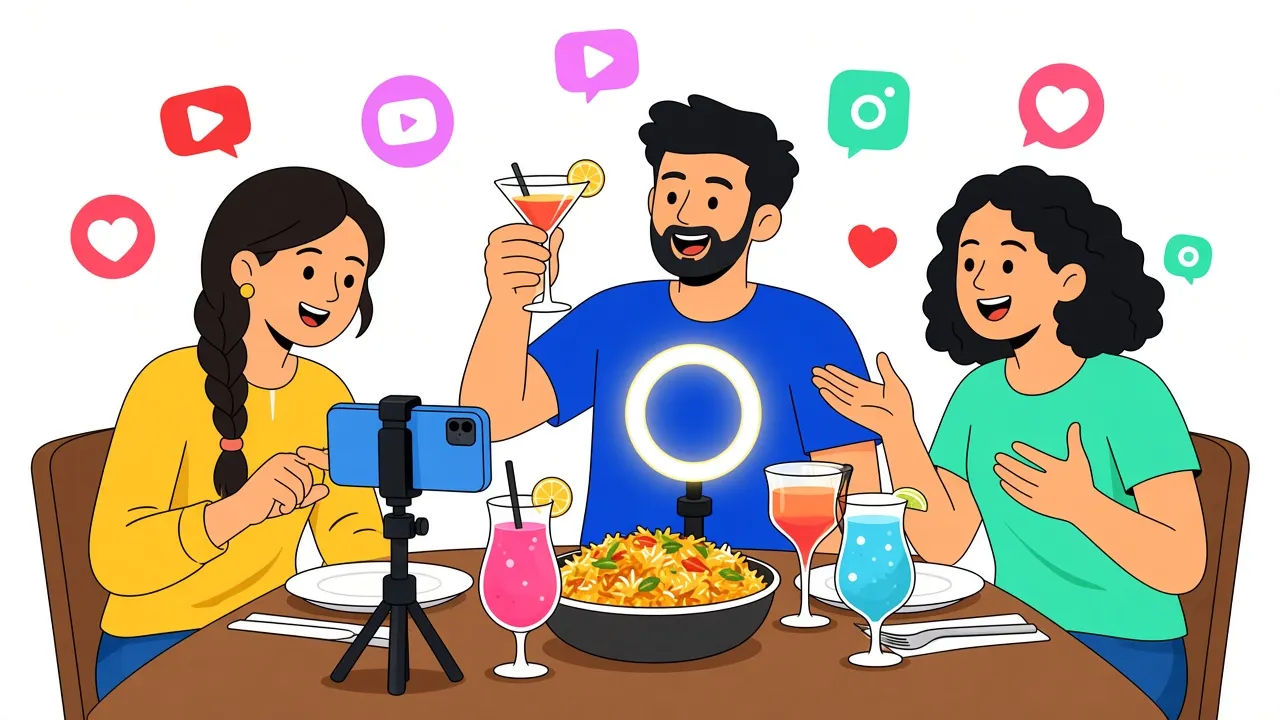
- Choose creators whose audience lives in your city and eats the kind of food you serve, not just those with big follower counts.
- Plan a short tasting menu and plate every dish for the camera before the creators arrive.
- Give creators a simple brief: what to tag, what to mention and which dishes matter most.
- Set up a way to track bookings, such as a booking code, a link or a simple question at the table.
- Treat the tasting as the start of a relationship, not a one-time free meal.
Many restaurant owners have tried it. You invite a few food creators, feed them well, and wait. Sometimes the posts go up and the phone rings. Sometimes nothing happens. The difference is rarely luck. It is almost always the planning.
A food influencer tasting is a hosted meal where you invite local creators to try your food and drinks, film them and share them with their followers. Done well, it puts your restaurant in front of people who already trust that creator's taste. Done badly, it is a free dinner and a few posts that nobody acts on.
Below is the process we follow and recommend, from choosing creators to counting the bookings that come in afterwards.
What is a food influencer tasting, and how is it different from a paid collaboration?
A tasting is an invitation. You host the creator, they eat, and they decide what to share. A paid collaboration is a fixed agreement where the creator is paid to post specific content on specific dates.
Many restaurants start with tastings because the cost is mostly food and staff time. Larger campaigns often mix both: a tasting evening for several creators, and paid reels with one or two of them for a longer push.
Whichever route you take, be clear about it. Tell the creator at the time of the invitation whether the meal is complimentary, whether there is a fee, and what you hope they will post. Honest terms at the start save awkward conversations later. You can read more about how we plan such campaigns on our influencer marketing page.
Is a food influencer tasting right for your restaurant?
It works best when a few things are already in place.
- Your food and service are ready. A creator will notice a slow kitchen or a confused team. Fix the basics first.
- You have a clear reason for people to visit. It could be a new menu, a new outlet, a weekend brunch or a signature dish.
- People can find and book you easily. Your Google Maps listing, phone number and booking link should be correct before any post goes live.
If a viewer likes a reel but cannot find your location, timings or menu, the interest dies there. A creator can start the interest. Your online presence has to finish the job.
How do you pick the right creators?
This is the step that decides most of the result. Do not choose only by follower count. A creator with a modest following in your city can bring more guests than a famous one whose audience is spread across the country.
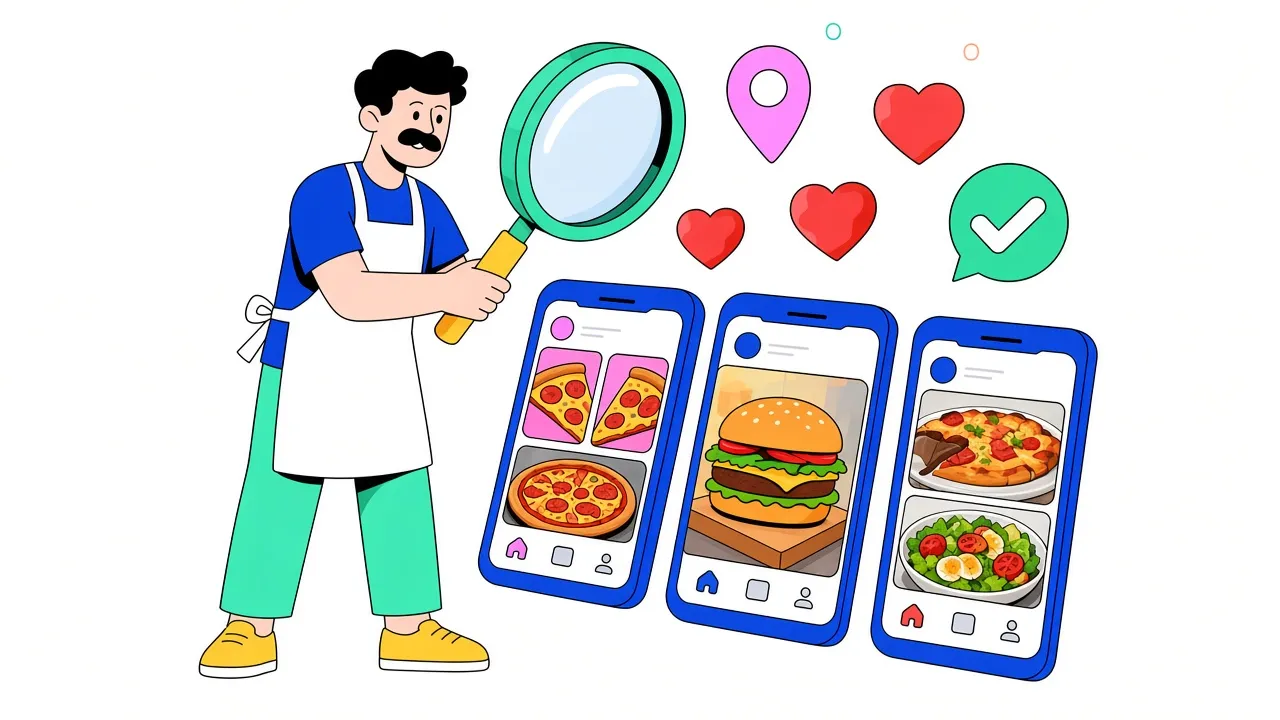
Look at these things before you send an invitation:
- Location of the audience. Do their followers live in your city or neighbourhood? Ask for audience details, and look at who comments.
- Type of food they cover. A creator who mostly posts street food may not suit a fine-dining room, and the reverse is also true.
- Quality of their content. Watch several recent posts. Is the lighting good? Is the editing clean? Do they show the food honestly?
- Real engagement. Read the comments. Real people asking "where is this?" or "what is the price?" is a good sign. A string of identical emojis is not.
- Past tone. Do they praise everything? Followers notice that. A creator who gives balanced opinions is more believable.
- Fit with your brand. Would you be happy for your name to sit beside their other posts?
Make a short list, then look at each profile the way a guest would. Scroll the feed. Check whether their posts about other restaurants look natural. Then send a polite, personal message, not a copy-paste one.
How many creators should you invite?
Start small. A table of a few creators is easier to host, easier to manage and gives each one proper attention. A very large group can turn the evening into a crowd, and the content starts to look the same.
Mix the types too. One creator may be strong on reels, another on photos and a third on honest written reviews or Google reviews. That gives your restaurant different kinds of content from one evening.
If your first tasting goes well, you can repeat it every few months with a fresh group, or invite your best-performing creator back for a deeper collaboration.
What should you serve at a tasting?
Do not give creators the entire menu. It is too much food, it tires everyone and the best dishes get lost. Plan a short tasting menu of dishes you want people to remember and order again.
A good tasting menu usually has:
- One or two starters that look attractive and are easy to eat on camera.
- Your signature main dish, the one regulars already talk about.
- One dish that is new or seasonal, so there is something to report.
- A dessert or a drink that photographs well.
- A couple of drinks or mocktails, as colour and glass add a lot to a shot.
Think about what a viewer can understand in a few seconds. A bowl of biryani with steam, a cocktail with a bright garnish, a cheese pull, a sizzler arriving at the table. Dishes with movement, colour or a clear moment tend to hold attention better than plain brown gravies, even if the gravy tastes wonderful.
Also check the cost. Work out what the evening costs you in food and staff, and keep it within a figure you are comfortable with. Only you can decide what that figure is.
How should you plate dishes for the camera?
Plating for a tasting is slightly different from plating for a normal table. The dish will be filmed from above, from the side and in close-up. It will also sit for a minute or two while the creator films. So the plating has to look good and hold up.
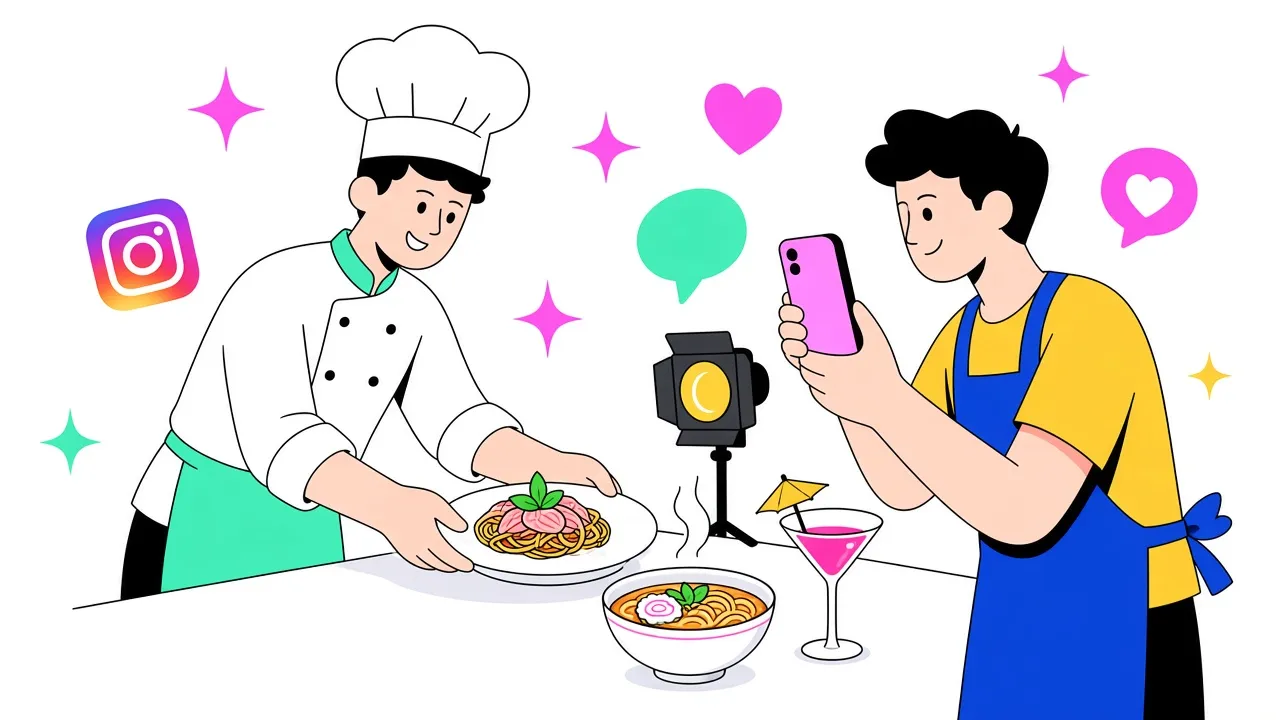
Some practical points for your kitchen:
- Brief your chef in advance. Show them the dishes you are serving and agree how each will look.
- Use clean, simple plates. Plain white or neutral crockery lets the food stand out. Busy patterns fight with the dish.
- Add fresh colour. Herbs, a squeeze of lemon, sliced onions or a sprinkle of spice can lift a dish.
- Wipe the rim. Smudges and drips show up very clearly on camera.
- Serve hot dishes hot. Steam looks lovely on video, but only if the food arrives fresh.
- Time the service. Bring dishes out one at a time so each gets its moment, instead of crowding the table.
- Keep one backup plate. If a dish is dropped or looks poor, you can swap quickly.
Let the chef come out and present at least one dish. Creators often film the chef explaining it, and guests love the story behind a dish. A short, warm explanation about where the recipe comes from is often the line that gets quoted in the caption.
If you want a stronger library of your own photos and videos, a professional reels and video shoot is a good companion to the tasting, because you keep full rights to content you make yourself.
How do you set up the room on the day?
Creators need a good table and good light. Many tastings go wrong simply because the table is dark, near the kitchen door or too small for six plates and a tripod.
Before they arrive:
- Choose the best-lit table. Natural light near a window is ideal for daytime tastings.
- Keep the table clear of clutter, such as menu stands, extra glasses and sauce bottles.
- Tell your team that creators will be filming, so staff do not rush them or move plates.
- Check the music volume. Loud music makes it hard to record voice-overs and reactions.
- Have power points, Wi-Fi and water ready.
- Keep a staff member as host. One person should welcome everyone, explain the dishes and answer questions.
Most creators bring their own phone stands and small lights. Let them set up. Do not hover, but stay close enough to help.
Also think about your regular guests. If the tasting happens during service, make sure the filming does not disturb other tables. A quiet hour, such as a weekday afternoon, often works better than a packed Saturday night.
What should you ask creators to post?
A short written brief makes a big difference. It should not read like a script. It should simply make sure the important details are not forgotten.
Include:
- Your restaurant's correct name and Instagram handle, for tagging.
- The location tag, so viewers can find you on the map.
- The dishes or offers you most want to highlight.
- The area or landmark, so viewers know where you are.
- How guests can book: a phone number, a booking link or a profile link.
- Anything they should avoid, such as sharing a dish that is being removed from the menu.
Leave the creative angle to them. Their audience follows them for their voice, and forced content feels fake. If you want to approve anything, agree on that at the start, and keep feedback to facts, such as wrong prices or a wrong name.
Ask them to mention that the meal was hosted, if it was. In India, creators are expected to disclose such collaborations, and honest disclosure keeps trust with their audience and with yours.
How do you track bookings from a food influencer tasting?
This is the part most restaurants skip, and then they cannot say whether the tasting worked. You do not need complicated software. You need a few simple habits.
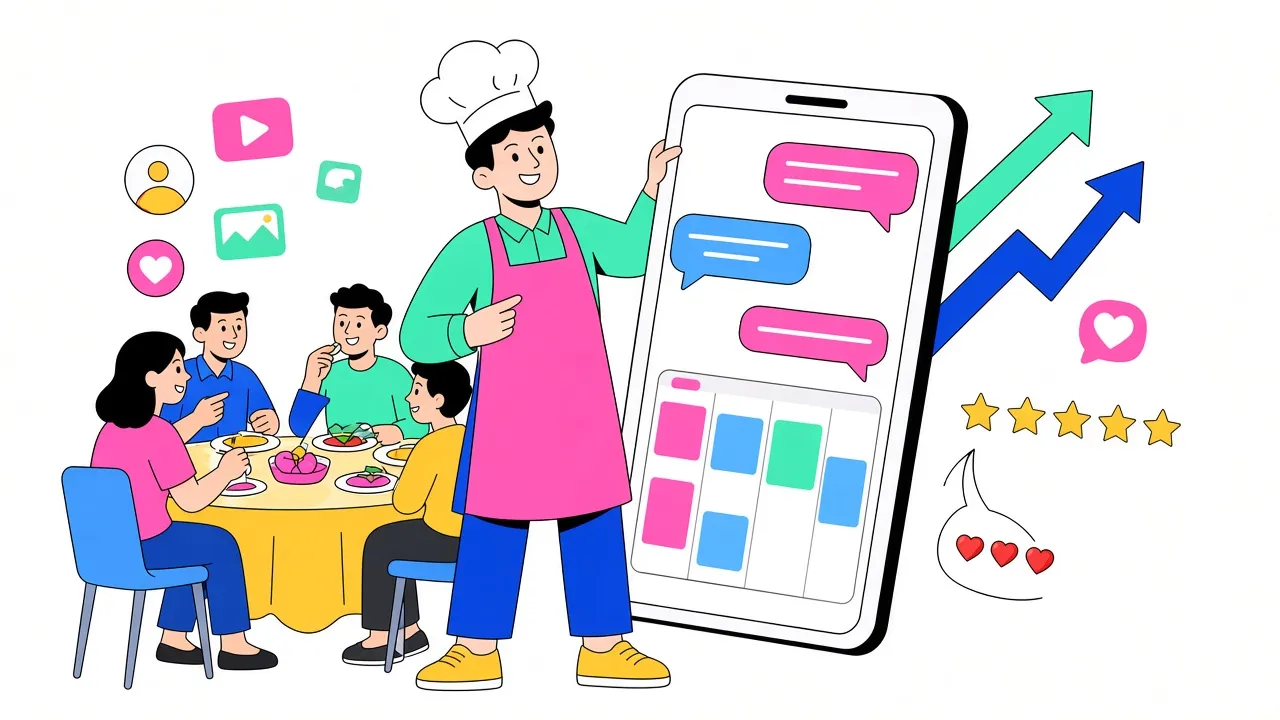
- Give each creator a booking code or phrase. Guests mention it when they book or order, and your team notes it down.
- Ask at the table. Train your staff to politely ask new guests how they heard about you. Write the answers in a notebook or a shared sheet.
- Use a trackable link. A separate link in a creator's profile or story lets you see how many visits came from that one source.
- Watch your phone and messages. Note the date and time when calls, WhatsApp messages and Instagram DMs rise after a post.
- Check Google Maps and Instagram insights. Look at profile visits, direction requests and calls in the days after each post.
- Read the new reviews. Guests often say "saw this on Instagram" in their review.
Keep the records for a few weeks, not just a few days. Some viewers save a reel and visit much later, perhaps when a birthday or a weekend plan comes up.
When you review the results, compare creators against each other. One may bring fewer views but more bookings. That tells you whom to invite back.
What mistakes should you avoid?
- Inviting too many people at once. The evening becomes noisy and the content looks the same.
- Choosing only on follower count. Reach outside your city rarely fills your tables.
- Serving too much food. A tired creator makes a tired video.
- Not preparing the kitchen. Slow service ruins the mood, and the creator may mention it.
- Asking for only praise. Followers can tell. Let the creator give an honest opinion.
- Forgetting to follow up. A thank-you message, a share of their post and a note about what worked builds a lasting relationship.
- Having no way to measure. Without tracking, you cannot learn or improve the next tasting.
What happens after the tasting?
The work continues for a while. Thank each creator personally. Share their posts on your own page, with their permission and credit. Reply to comments on the posts, since people often ask about prices, timings and parking, and a quick answer can turn a viewer into a guest.
Make sure your own profiles are ready for the visitors. Your Instagram bio, highlights, Google Maps photos and menu should be up to date. A guest who arrives from a creator's reel will check you out within a minute. Give them a good first impression.
Finally, look at the numbers you gathered and decide what to repeat. Which dishes got the most attention? Which creator's audience actually showed up? Use these answers to plan the next tasting.
How can Hotkhana help?
Hotkhana Media Services works only with restaurants, bars, cafés and cloud kitchens. We help you choose the right creators, plan the tasting menu, brief your team and track the bookings that follow. If you would like a hand with your first tasting, or want to improve the next one, get in touch with us and we will talk it through.
Frequently asked questions
What is a food influencer tasting?
It is a hosted meal where you invite local food creators to try your dishes and drinks, film them and share them with their followers. It is usually planned around a new menu, a new outlet or a signature dish.
How do I choose the right food influencer for my restaurant?
Pick creators whose followers live in your city and enjoy the kind of food you serve. Check their recent content, read real comments for genuine engagement, and make sure their tone fits your brand.
How can I tell if a food influencer tasting worked?
Track bookings with a code or link for each creator, ask new guests how they heard about you, and watch calls, messages, Google Maps direction requests and Instagram profile visits after each post. Keep records for a few weeks.
What should I serve at an influencer tasting?
Serve a short menu of your best dishes: a couple of starters, your signature main, one new or seasonal dish, a dessert and a few colourful drinks. Choose dishes with colour, steam or movement that look good on camera.
Should I tell creators what to say in their posts?
No. Give them a brief with facts like your handle, location tag, key dishes and booking details, but let them use their own voice. Honest content is more believable and works better with their followers.
Want this for your restaurant?
Hotkhana Media builds AI-ready restaurant websites and runs AI-driven marketing from Bengaluru. Free audit, reply within the hour on WhatsApp.